





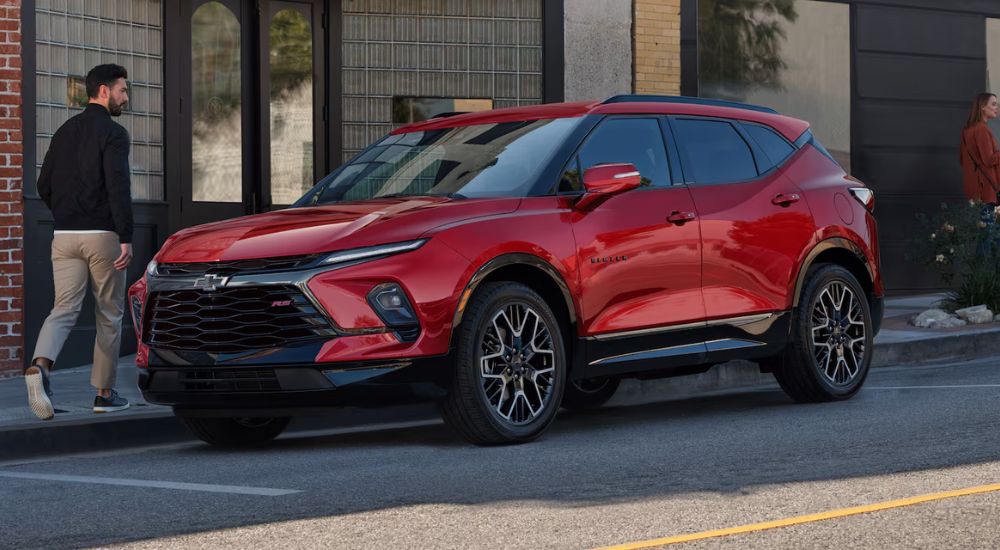
If you’re considering Chevy lease deals, it’s worth first understanding how leasing works! For a first-time lessee, terms such as mileage allowance, lease duration, and lease-end options can feel unfamiliar. The good news is that the basic idea is straightforward: leasing lets you drive a new Chevrolet for an agreed-upon time period and mileage.
At LaFontaine Chevrolet St. Clair, we know that first-time lessees often have practical questions. How does leasing differ from buying? How much can you drive? What happens if the vehicle has excess wear? And what can you do when the lease ends? Understanding those answers can make it easier to determine whether leasing fits your driving habits.
Leasing vs Buying a Chevrolet
The biggest difference between leasing and buying is what happens during and after the contract. A typical lease lasts for 24 or 36 months, with a mileage allowance established as part of the agreement. Lease payments cover the vehicle’s use and a portion of its value during the lease term.
With buying, payments cover the vehicle’s cost over the course of the financing contract, and mileage is unlimited. Once the financing contract is paid off, you own the vehicle. Leasing instead gives you a defined period of use before you decide what to do next.
That distinction is important for first-time lessees. If you like changing vehicles every few years and your driving habits fit within a contracted mileage allowance, leasing may be worth considering. If you expect to keep the same vehicle for many years or drive without mileage restrictions, buying may make more sense.
Look Beyond the Monthly Payment
A monthly payment is only one part of a lease. Your agreement also establishes important terms such as the lease duration, mileage allowance, and other financial and vehicle-use requirements.
Before signing, take time to review the entire agreement and ask questions about anything unclear. Understanding the terms upfront can help you plan for your lease and avoid unexpected costs later.
At LaFontaine Chevrolet St. Clair, we can help you understand the factors that go into a lease so you can approach it with a clear idea of what you’re agreeing to—especially if you’re leasing for the first time.
Choose a Suitable Mileage Allowance
Mileage is one of the most important things to consider before leasing. Your mileage allowance is established in the lease agreement, so your normal driving habits should play a major role in determining which allowance makes sense for you.
Start with your everyday routine. Think about your commute, errands, school or family activities, weekend drives, and longer trips. A driver with a short commute may have very different needs from someone who regularly travels long distances.
It’s also smart to think about how your routine could change. A new job, a move, or more frequent road trips could increase the number of miles you put on your Chevy. Estimating your expected mileage before signing can help you select a lease that better matches the way you drive.
Why Mileage Matters at the End of the Lease
Going over the mileage allowed by your lease can result in additional charges. The specific mileage allowance and applicable charges are established by your lease agreement, so it’s important to understand those terms before you sign. When you’re comparing leasing with buying, keep in mind that a lease includes a mileage allowance, whereas a purchase doesn’t have contractual mileage limits.
You don’t need to predict every mile you’ll drive over the next few years. Rather, make a realistic estimate based on your current routine and consider whether major changes could affect it. If you regularly take long road trips or have a lengthy commute, factor those miles into your decision from the beginning.
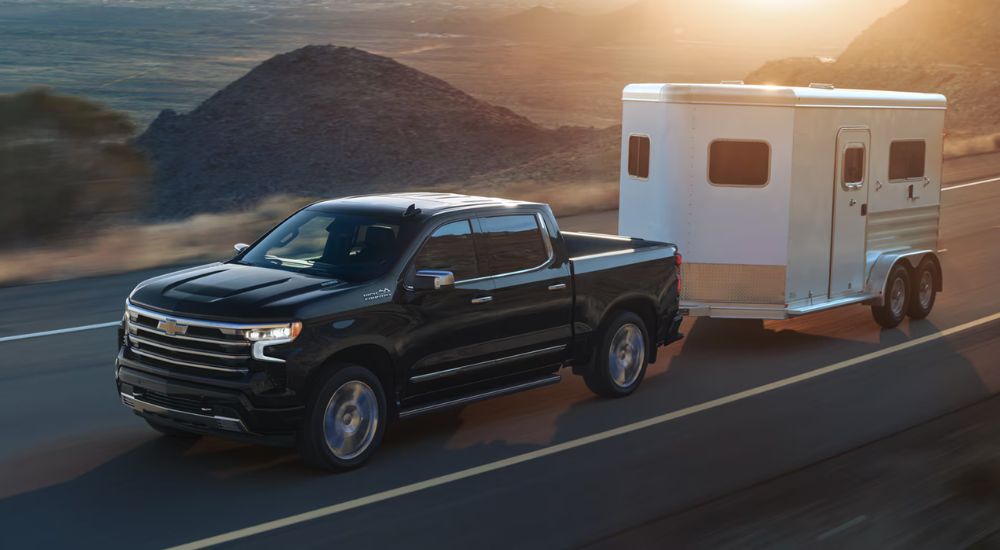
Take Care of Your Leased Chevy
Mileage isn’t the only consideration during a lease. The condition of your vehicle can also matter when the lease ends.
Normal driving naturally leaves some signs of use, but a leased vehicle is subject to the condition requirements in your agreement. You may be responsible for excess wear and use when returning the vehicle, depending on the terms of your lease. Certain lease agreements can also include responsibilities related to maintenance, repairs, and applicable disposition fees.
For you, that means treating your Chevy with the same care you’d give any vehicle you plan to keep for several years. Follow the required maintenance schedule, pay attention to noticeable damage, and don’t ignore problems that could become more serious.
Make Vehicle Care Part of Your Routine
You don’t have to worry about every minor sign of normal driving. The important thing is to understand the standards that apply to your particular lease and keep the vehicle properly maintained.
As the lease period approaches its end, review the vehicle’s condition and the requirements in your agreement. Addressing maintenance needs and significant damage ahead of time can help you prepare for the return process and understand what to expect.
Know Your Lease-End Options
One of the most common questions from first-time lessees is what happens when the contract ends. Crucially, you aren’t required to purchase the Chevy you’ve been driving.
Depending on the terms of your agreement, you may be able to return the leased vehicle, lease or purchase another vehicle, or purchase the vehicle you’re currently leasing. Your lease agreement will outline the options available to you and any applicable requirements or costs.
In some cases, you may also have the option to purchase your leased vehicle before the scheduled end of the lease, subject to the applicable terms. If you’re considering this option, review your agreement so you understand the purchase process and any associated costs.
Your Needs Can Change
A lot can happen during a typical lease. Your commute could change, your household could grow, or you could find that your driving needs are different from what they were when you started the lease.
That’s one reason it makes sense to wait until you’re nearing the end of the agreement before deciding which path is best for you. You can consider your current driving habits and financial situation rather than trying to predict everything years in advance.
If you plan to return the vehicle, give yourself time to review the lease-end requirements and prepare the vehicle for the return process. This can make the transition to your next vehicle more straightforward.
Is Leasing Right for You?
For a first-time lessee, the best place to start is with your own driving habits. How many miles do you normally drive? Do you like changing vehicles every few years? Would you rather have a defined lease period or work toward owning your Chevy?
Leasing can be appealing if you enjoy driving a new vehicle and your mileage needs fit comfortably within a lease agreement. Your payments are based on the terms of the lease, and you’ll have a defined period for using the vehicle before reaching the end of the agreement.
Buying offers a different ownership path. There isn’t a contractual mileage limit, and once you’ve completed the financing agreement, the vehicle is yours; this makes buying a consideration for drivers who plan to keep their Chevy for many years or who expect to drive significant mileage.
Neither option is automatically right for every driver. The best fit depends on how you use your vehicle and what you want from your next automotive agreement.
Start Your First Lease With the Basics
Leasing doesn’t have to be complicated. Before committing to a Chevy lease, focus on four things: the contract terms, your expected mileage, the vehicle’s upkeep, and your lease-end options.
At LaFontaine Chevrolet St. Clair, we’re here to help you understand those considerations as you explore your options. Taking the time to understand your agreement can make the leasing process much more comfortable, especially if this is your first time.
Ultimately, Chevy lease deals are about more than a monthly payment; a lease establishes how long you’ll drive the vehicle, how much you can drive it, and what options are available at the end of the agreement. Understanding these basics gives you a starting point for deciding if leasing fits your needs.
Connect with us


- Buick Dealer
- Buick Dealer Near Port Huron
- Buick Envista for Sale
- Chevy Blazer EV for Sale
- Chevy Blazer for Sale
- Chevy Dealer
- Chevy Dealer Near Clinton Township
- Chevy Dealer Near Port Huron
- Chevy Dealer Near Washington Township
- Chevy Lease Deals
- Chevy Silverado 1500 for Sale
- Chevy Silverado for Sale
- GMC Acadia for Sale
- GMC Dealer
- GMC Dealer Near Clinton Township
- GMC dealer near Port Huron
- GMC Hummer EV for Sale
- GMC Sierra 1500 for Sale
- GMC Terrain for Sale
- Used Car Dealership
- Used GMC Dealer